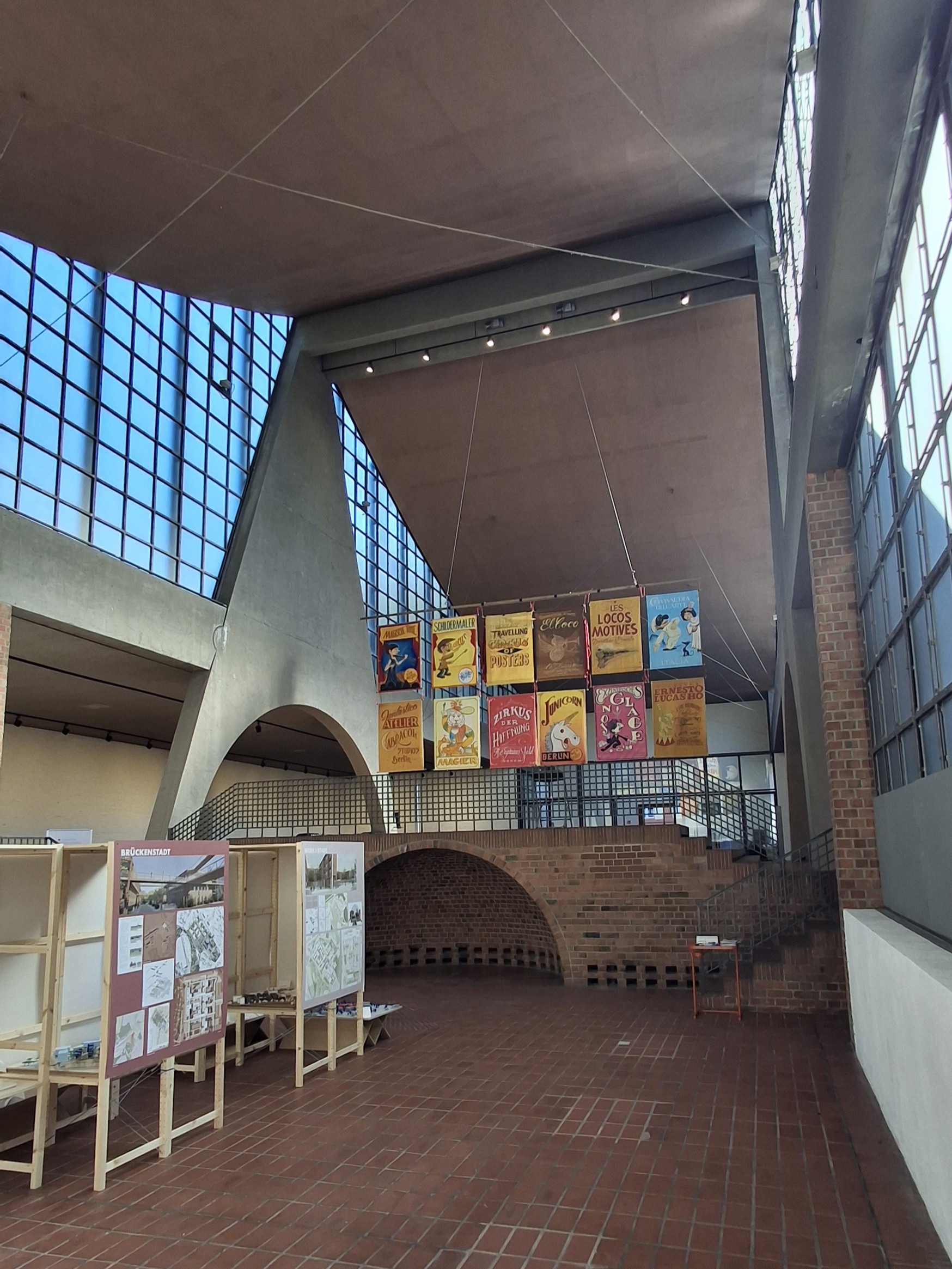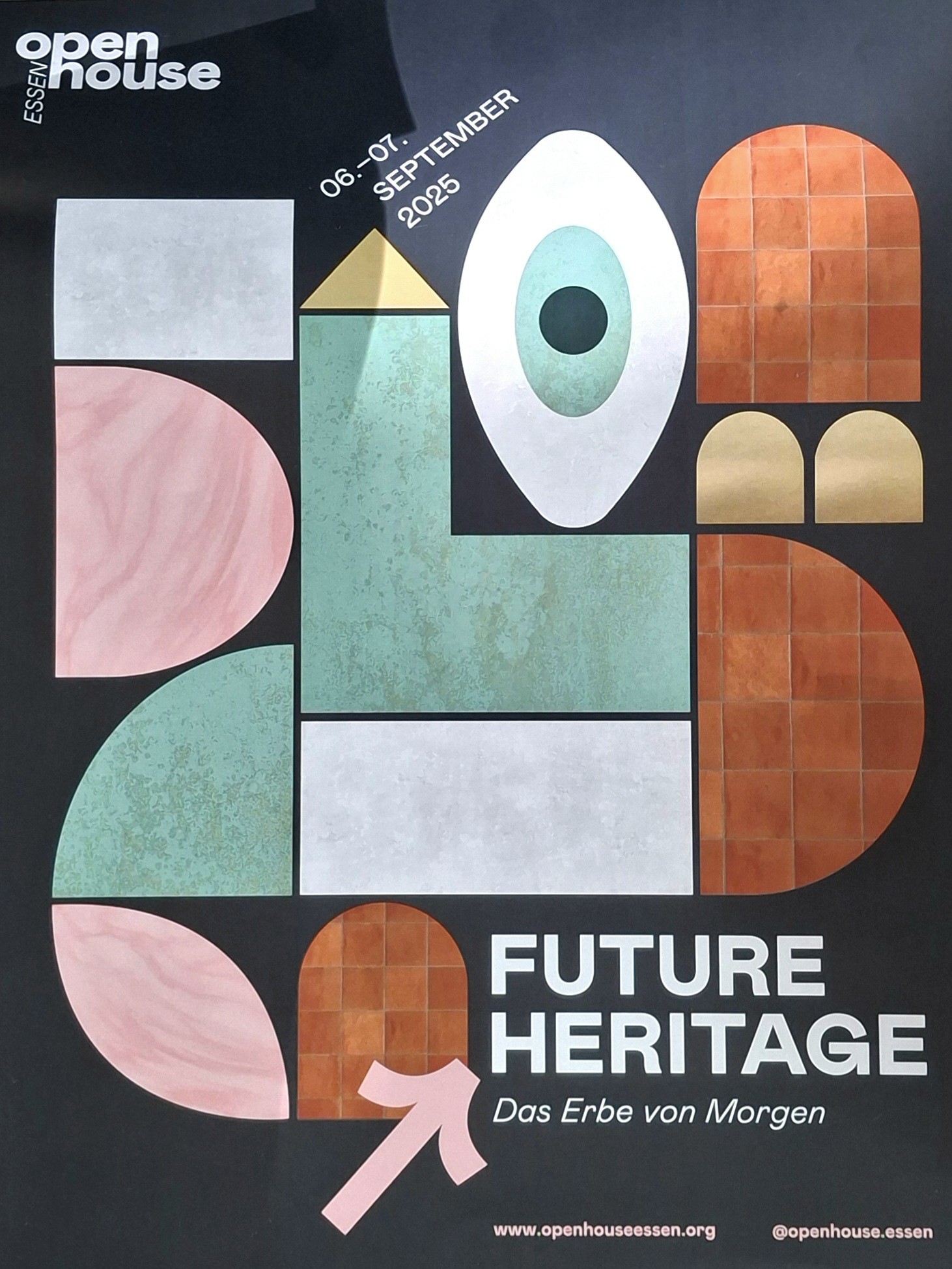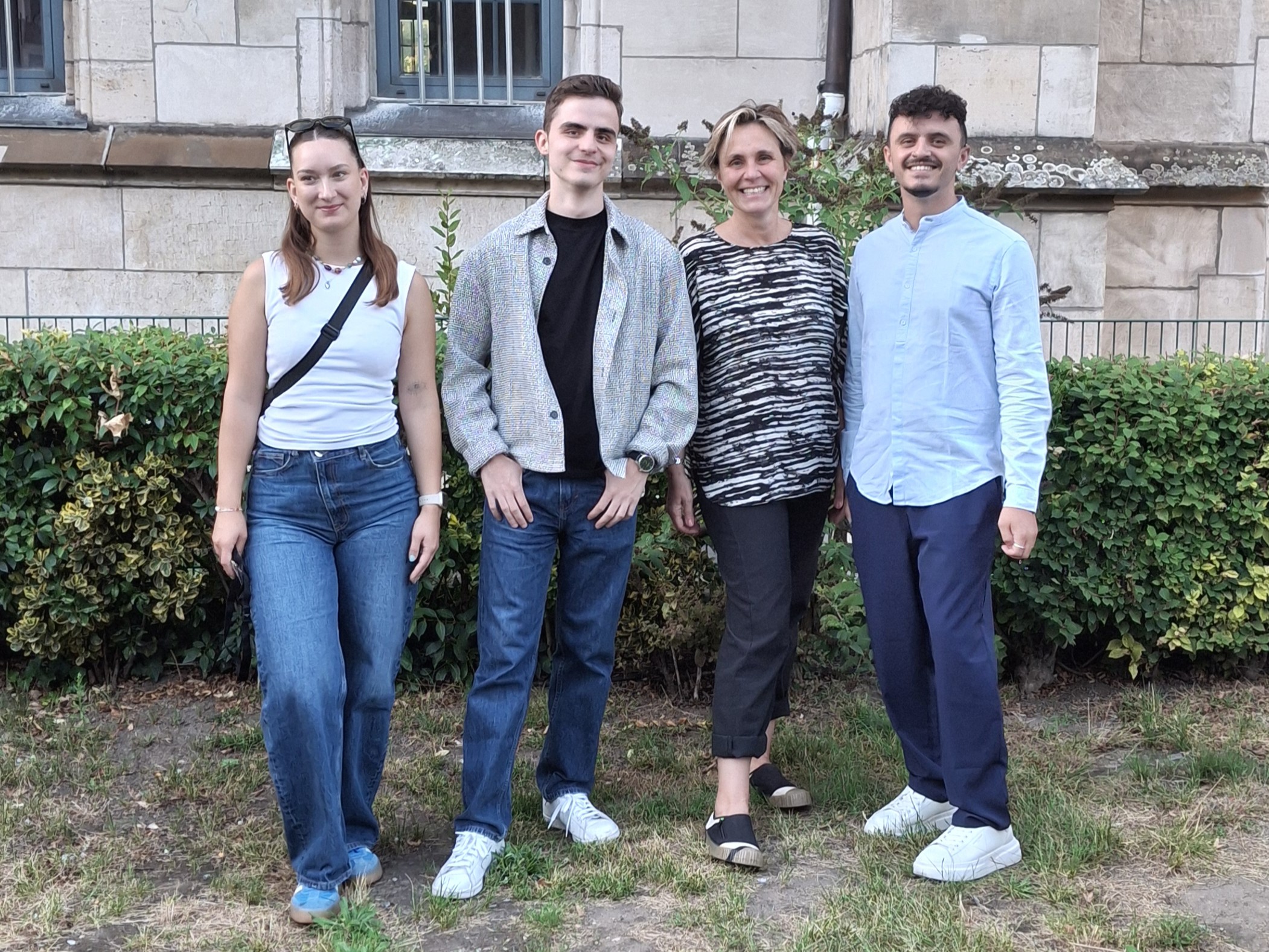
Alongside me, the other international guests in Essen were Urša from Open House Slovenia, Leonidas representing Open House Thessaloniki, and Antonis from Open House Athens. The Open House Essen team is small but extremely well coordinated. Natalia and Peter, the main driving forces behind the festival, are not aiming simply to open up as many buildings as possible; instead, they focus on offering tours with a strong concept, engaging programmes, or insightful guides. As international volunteers, we were able to choose which tours to attend—some we experienced together as a group, while others we joined individually according to our own interests.
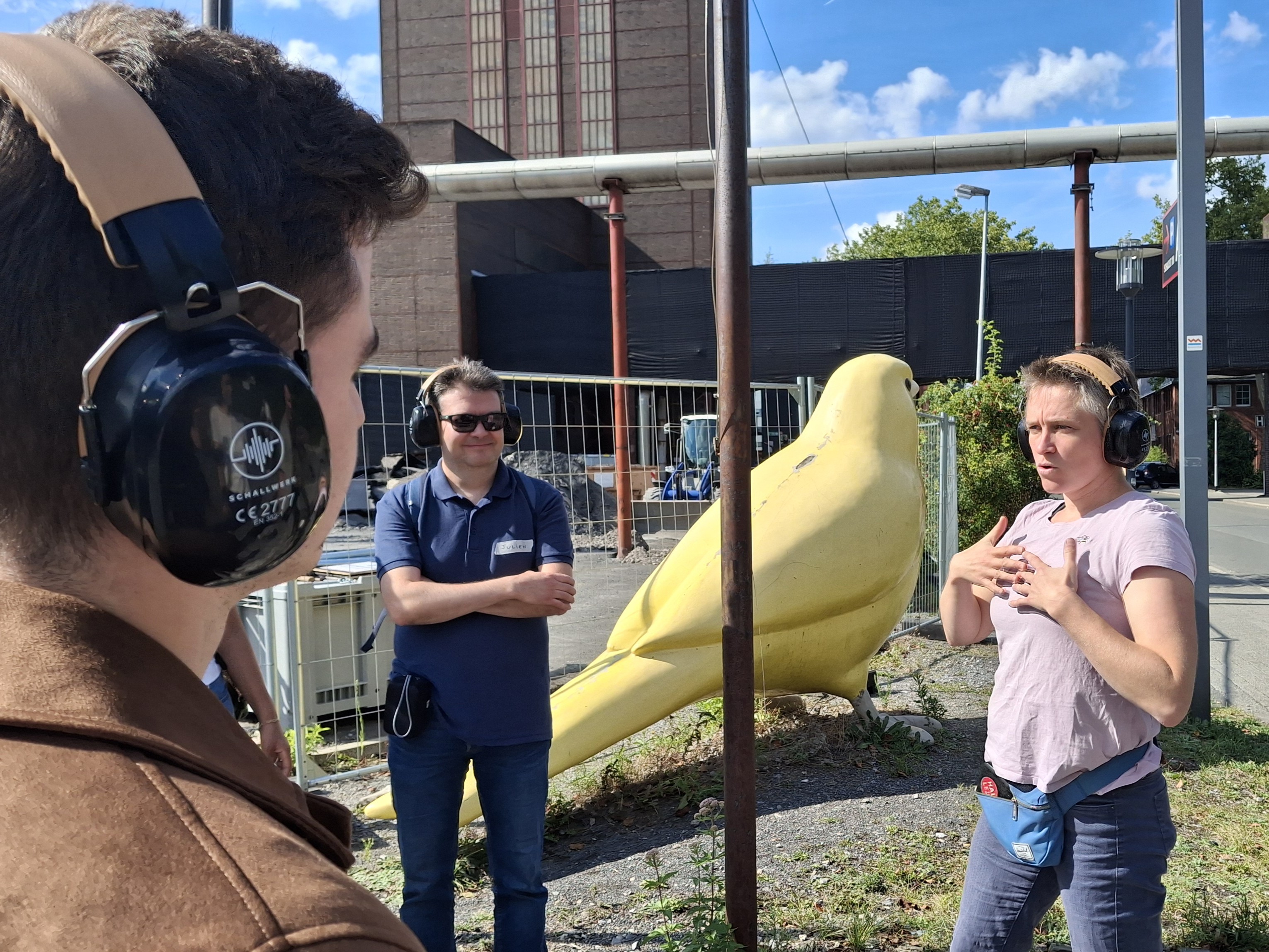
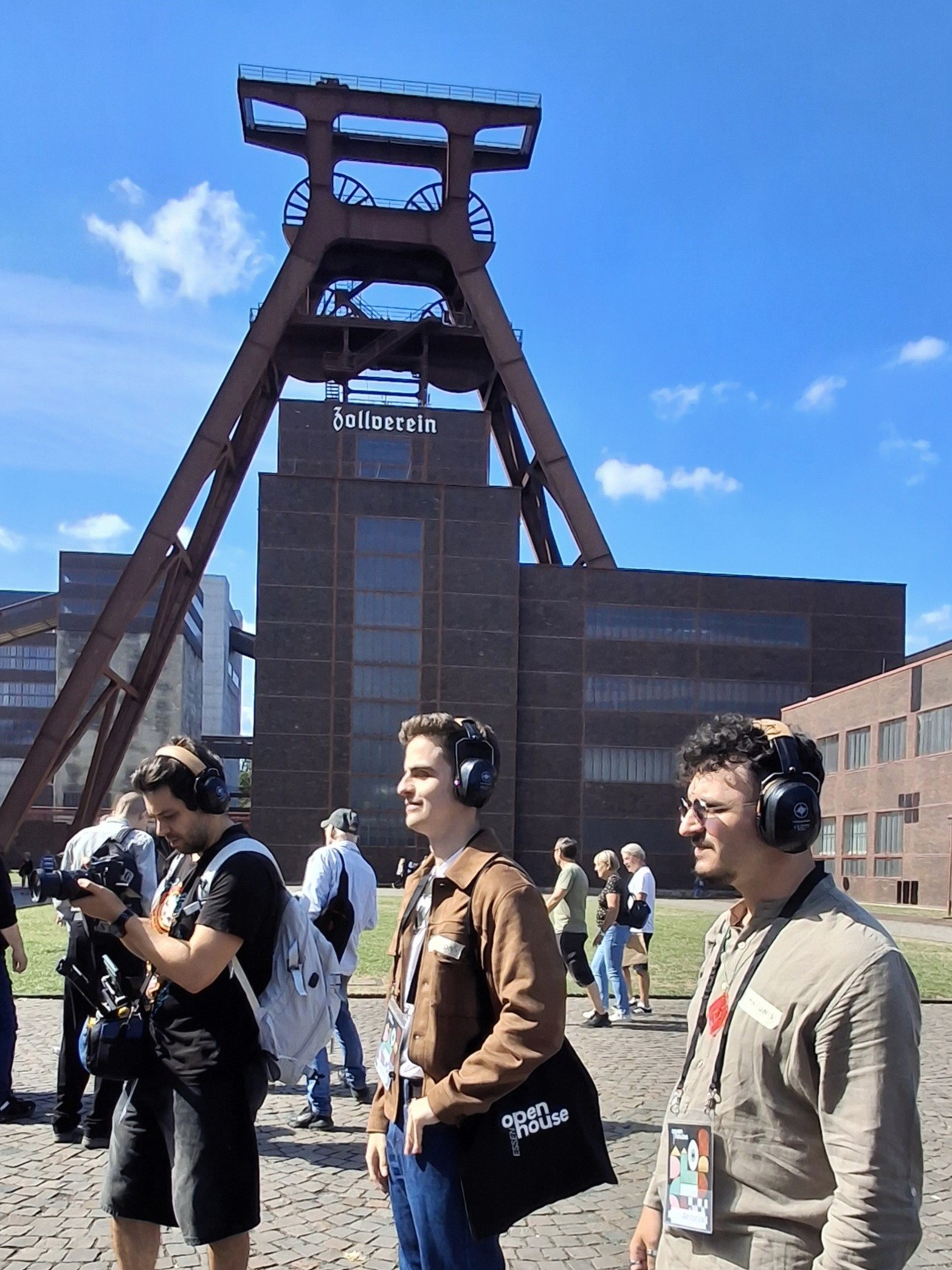
It was clear how deeply Natalia and her team are committed to fulfilling the true purpose of the Open House festival and making interesting places accessible to as many people as possible. One of the guided walks in the Zollverein area, for example, was designed specifically for deaf visitors. The rest of us wore headphones and, throughout the entire walk, communication relied solely on gestures, without a single spoken word. I was struck by how much could be understood without language—and, conversely, by the moments when words were sorely missed. Above all, it was a powerful prompt to reflect on how differently the world can be seen and experienced by someone else.
What Was the First Day of Open House Essen Like?
The Saturday tour quite literally took my breath away. If you’re familiar with the Lower Vítkovice area in Ostrava (perhaps through the Colours of Ostrava festival), imagine a similar site—only ten times larger. That’s Zollverein in Essen. Coal mining there came to an end in the 1980s, and since then the area has been gradually reclaimed and transformed into an industrial heritage site. Today, several museums and cultural institutions are housed in former industrial buildings, while the spaces between them are filled with a characteristic post-industrial urban wilderness, similar to what we know from regions like Ostrava or northern Bohemia.
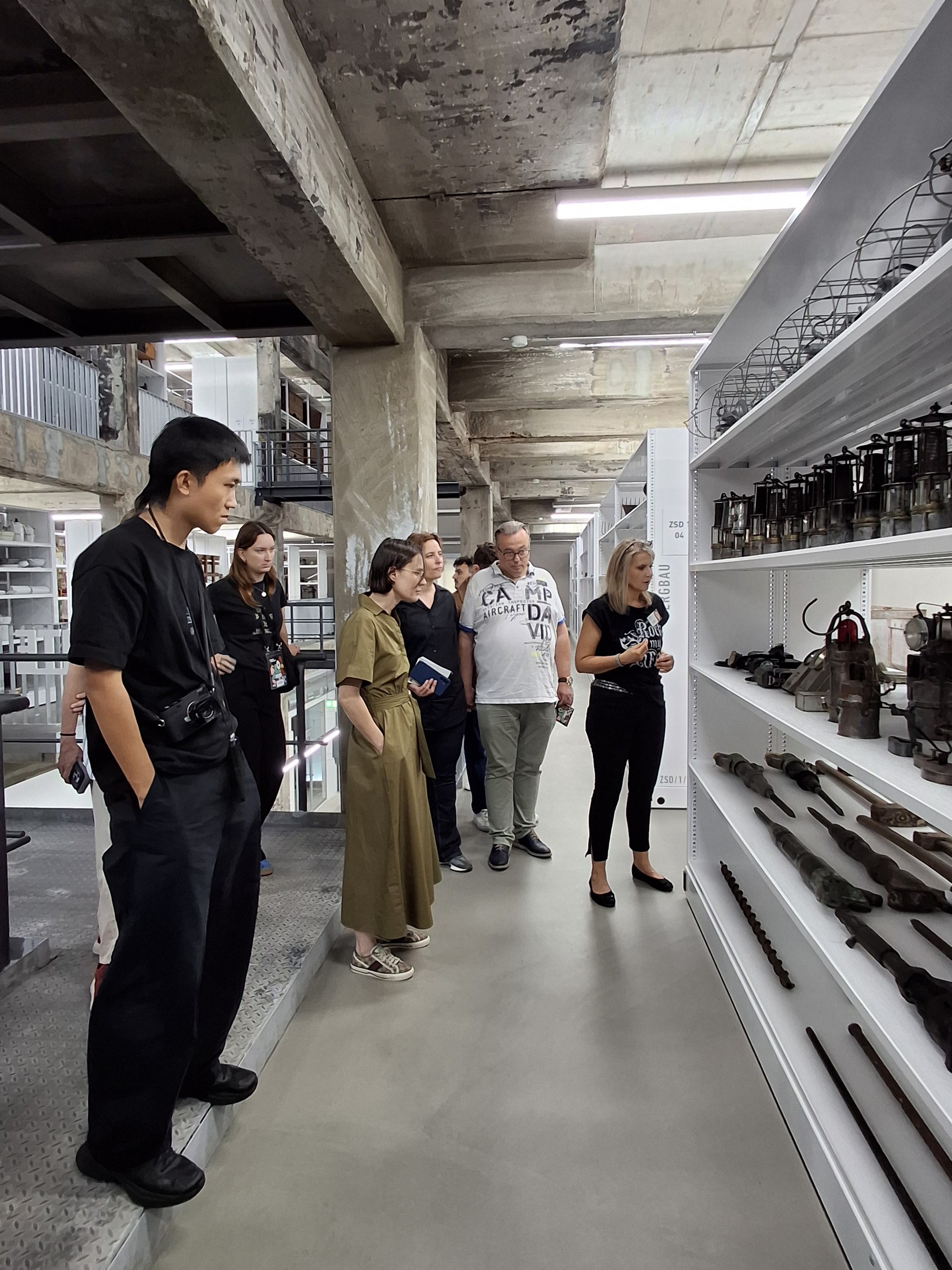
We then moved on to the Schaudepot. The storage facility of the Ruhr Museum’s natural history and historical collections is housed in a former coking plant. The vast space still bears visible traces of its industrial past, while an impressive range of exhibits—from prehistoric fossils and historical cultural artefacts to everyday mass-produced industrial objects—is carefully sorted and displayed on white shelving. The result is an atmosphere that feels less like a storage facility and more like a gallery of contemporary art.
Another particularly interesting tour focused on the history of the mining settlement of Pestalozzi-Siedlung Neuhof. It is one of several settlements in the Ruhr region named after the educator Heinrich Pestalozzi and built in the post-war period. Families living there provided room and board for young boys training to become miners, who lived in small attic rooms within their homes and were cared for by the host families. Often—though not always—these boys were war orphans, and the Pestalozzi villages offered them the chance to grow up in a family setting and within a close-knit community.
Sunday at Open House Essen offered an equally rich and varied programme.
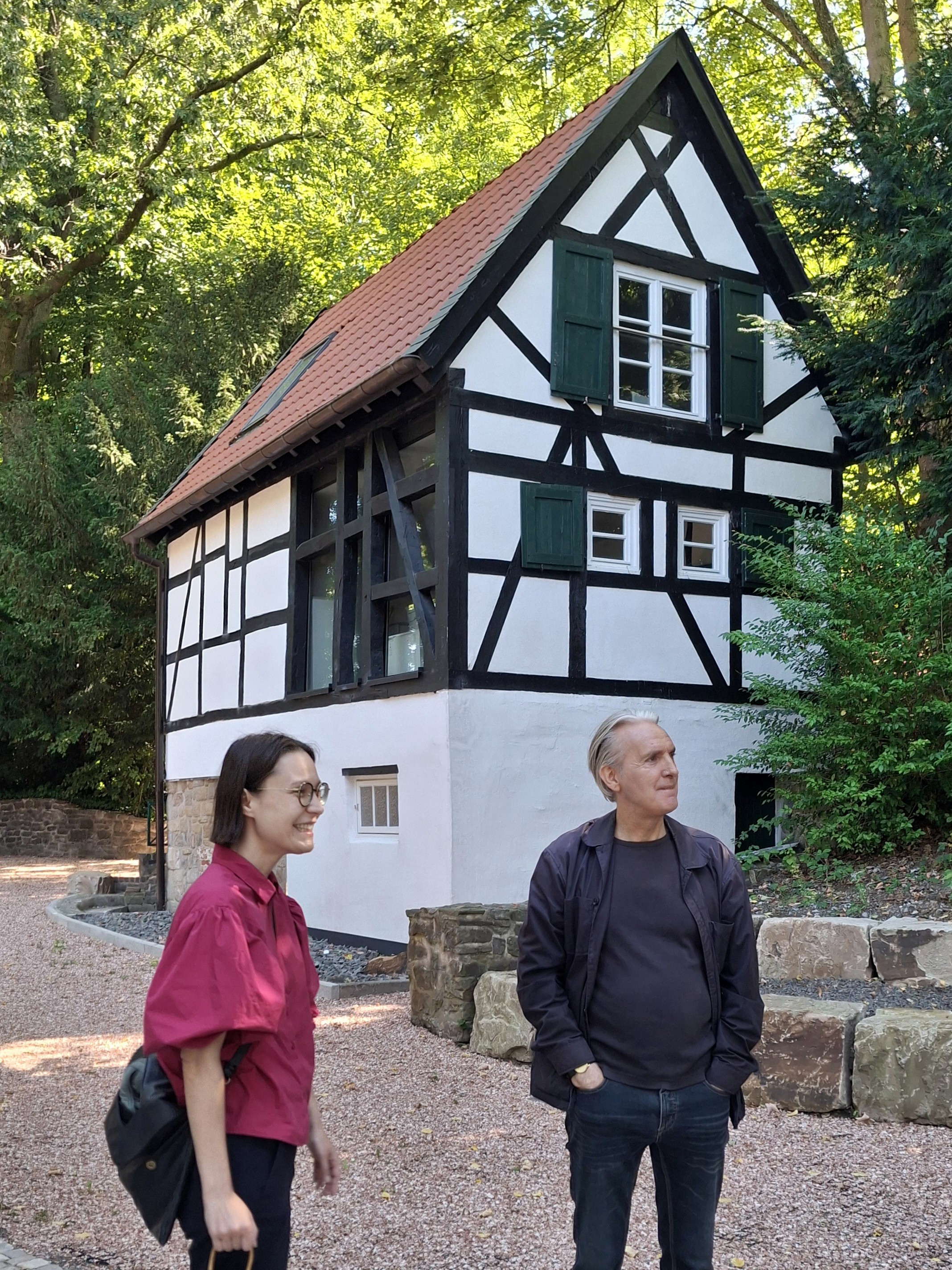
On Sunday, I chose a tour of Gebrandenhof from the programme. This historic eighteenth-century farmhouse had served as an excursion restaurant from the 1920s for nearly a hundred years and was recently restored with great sensitivity to become the seat of a foundation. I truly wish we could see more such successful heritage renovations at home. Open House is precisely the kind of initiative that can both highlight examples of good practice and draw attention to heritage sites that are still waiting for renewal.
What I Got to See in Essen Outside the Festival
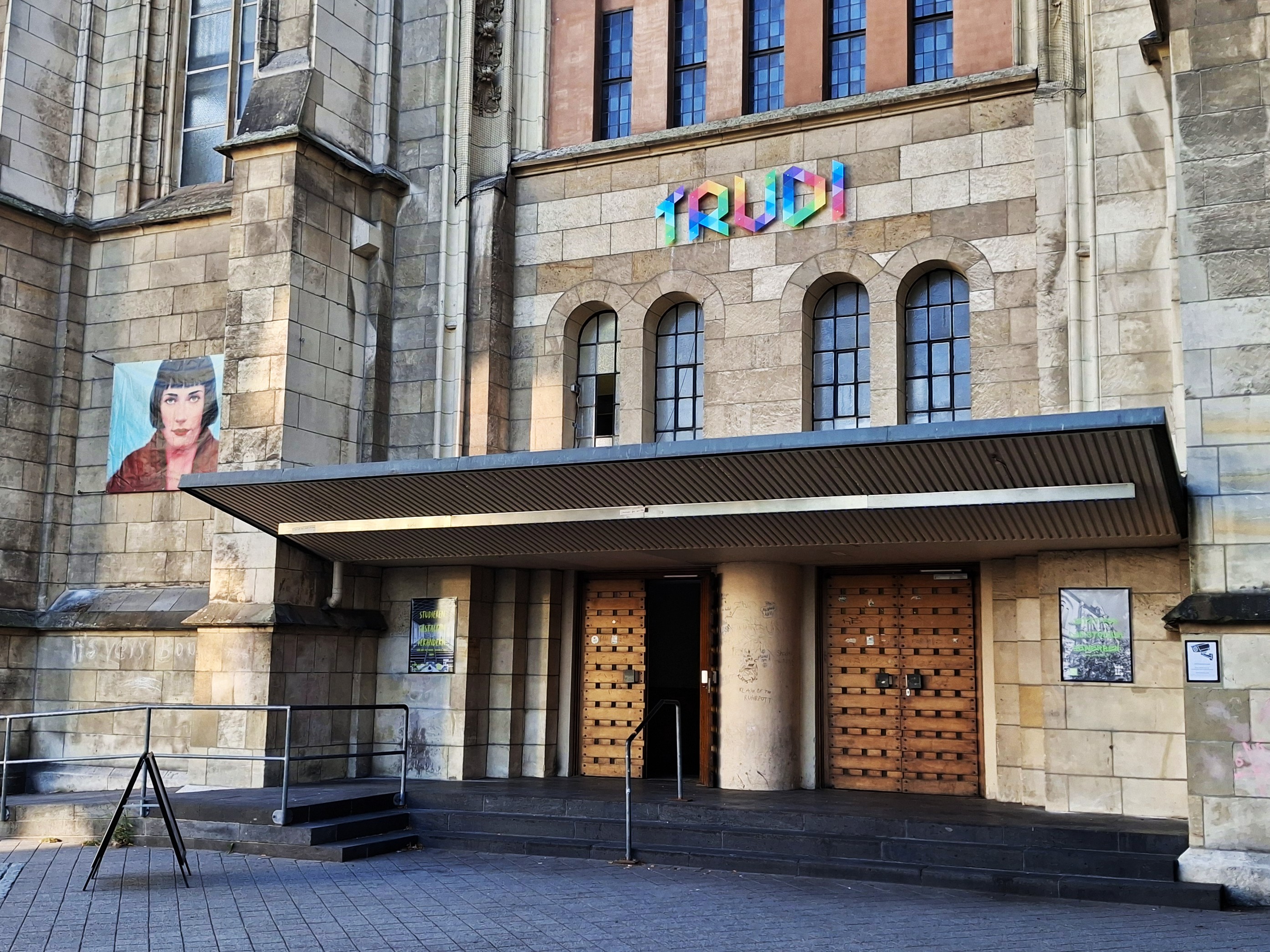
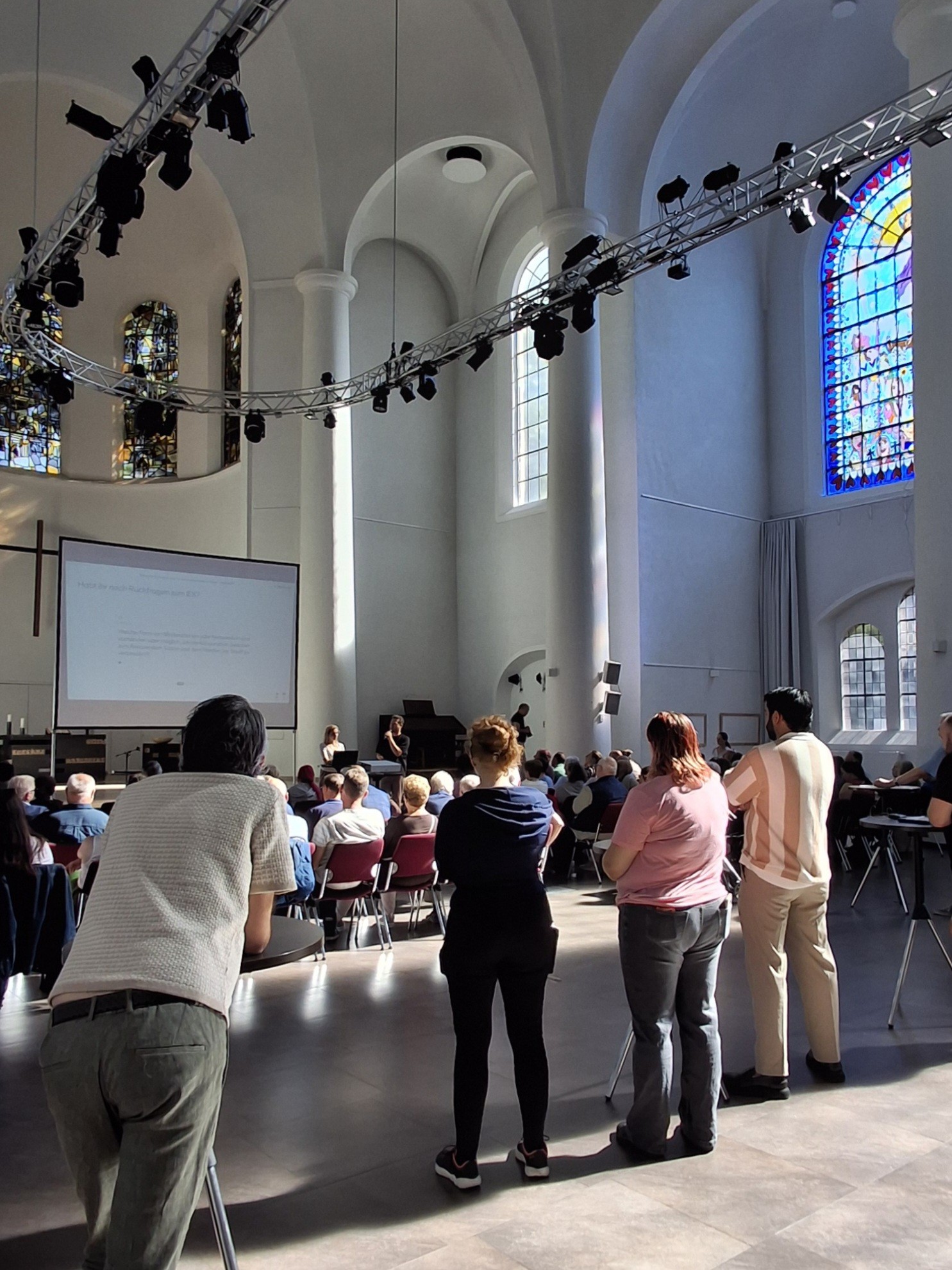
Among the other places in Essen that caught my eye were deconsecrated churches now repurposed as community centres, conference venues, or exhibition spaces. We visited several, and even the local guides pointed out that the decline in church attendance—and the resulting closures and transformations of churches—is a significant issue across Germany.
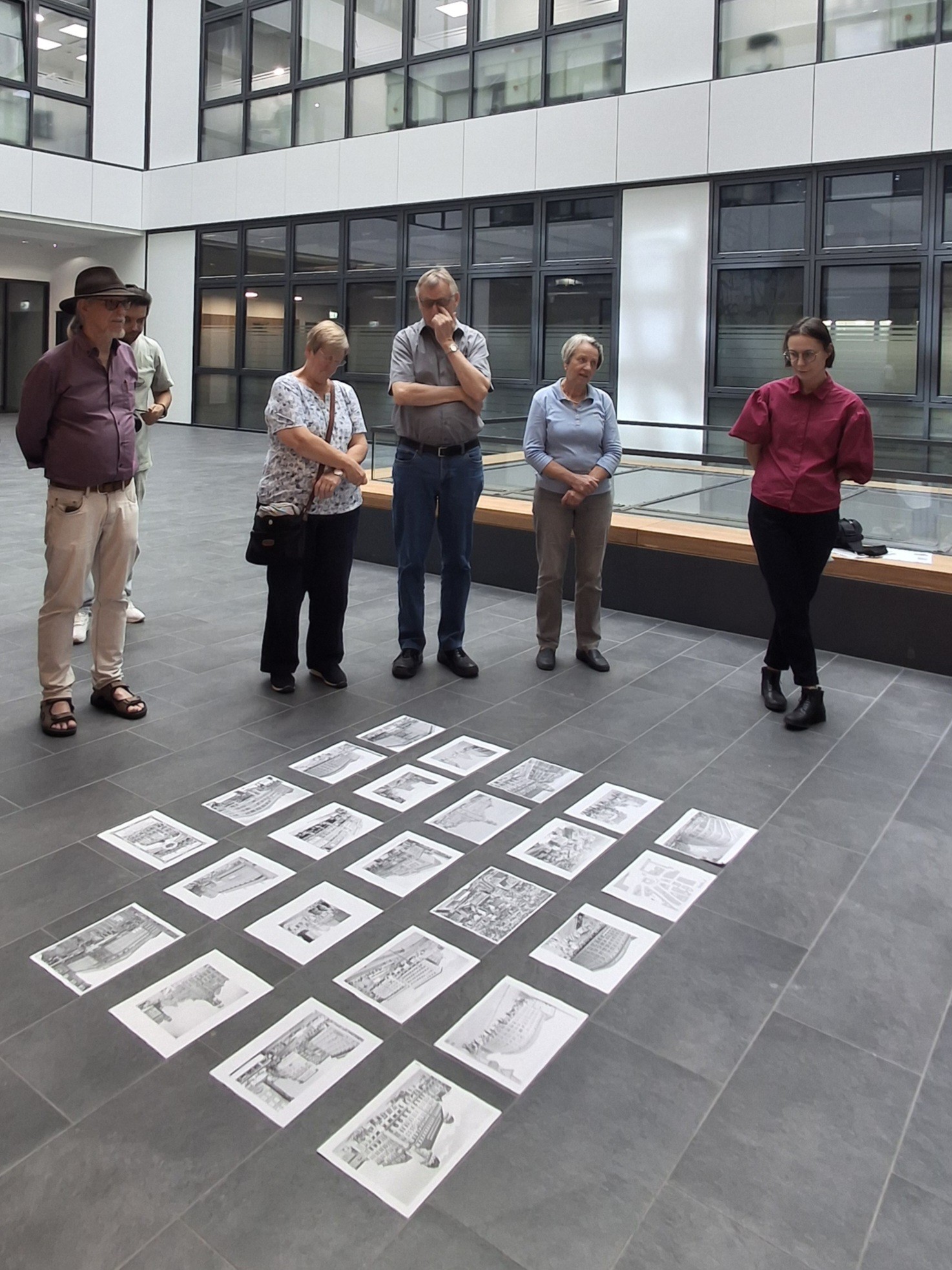
There was so much more to explore. One tour took us through the history and architectural development of a central square, while another offered a ride in a functioning paternoster lift—a highlight for my fellow volunteers from Greece and Slovenia. They were genuinely surprised when I told them we still have several of these lifts in operation back home.
And that’s another lesson I took away: what seems perfectly ordinary to us can be fascinating to someone from another city or country. It’s a reminder worth keeping in mind. This is exactly why I was so excited to travel to Essen. The perspective it offered, the chance to compare it with what we experience at home, and the inspiration from seeing what captivates visitors during an Open House festival—experiences like these are truly priceless.
Open House Brno 2026 Is Still Looking for New Volunteers – Here’s Why You Should Join!
If you’re curious to experience the festival from the other side, consider becoming a volunteer. Joining Open House Brno is easy, and you can get involved already at the next edition in May 2026. The upcoming festival will carry the shared European theme “Cities in Flux.”
And if the reward of volunteering—great experiences and the joy of being part of the festival—isn’t enough, there’s more: you can explore Brno during “volunteer Thursdays,” or even discover another European city through exchange opportunities in the Open House Europe programme.