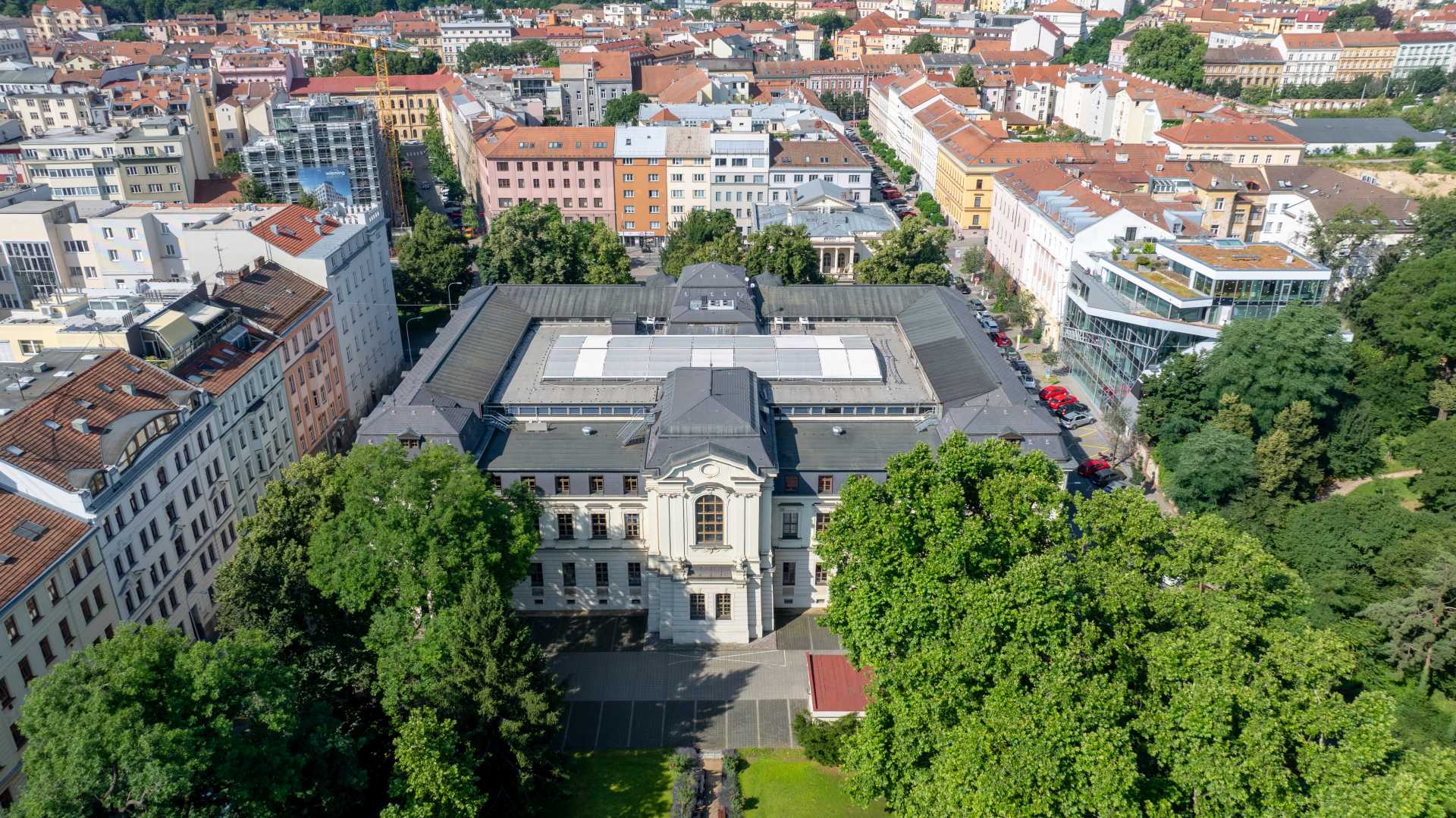
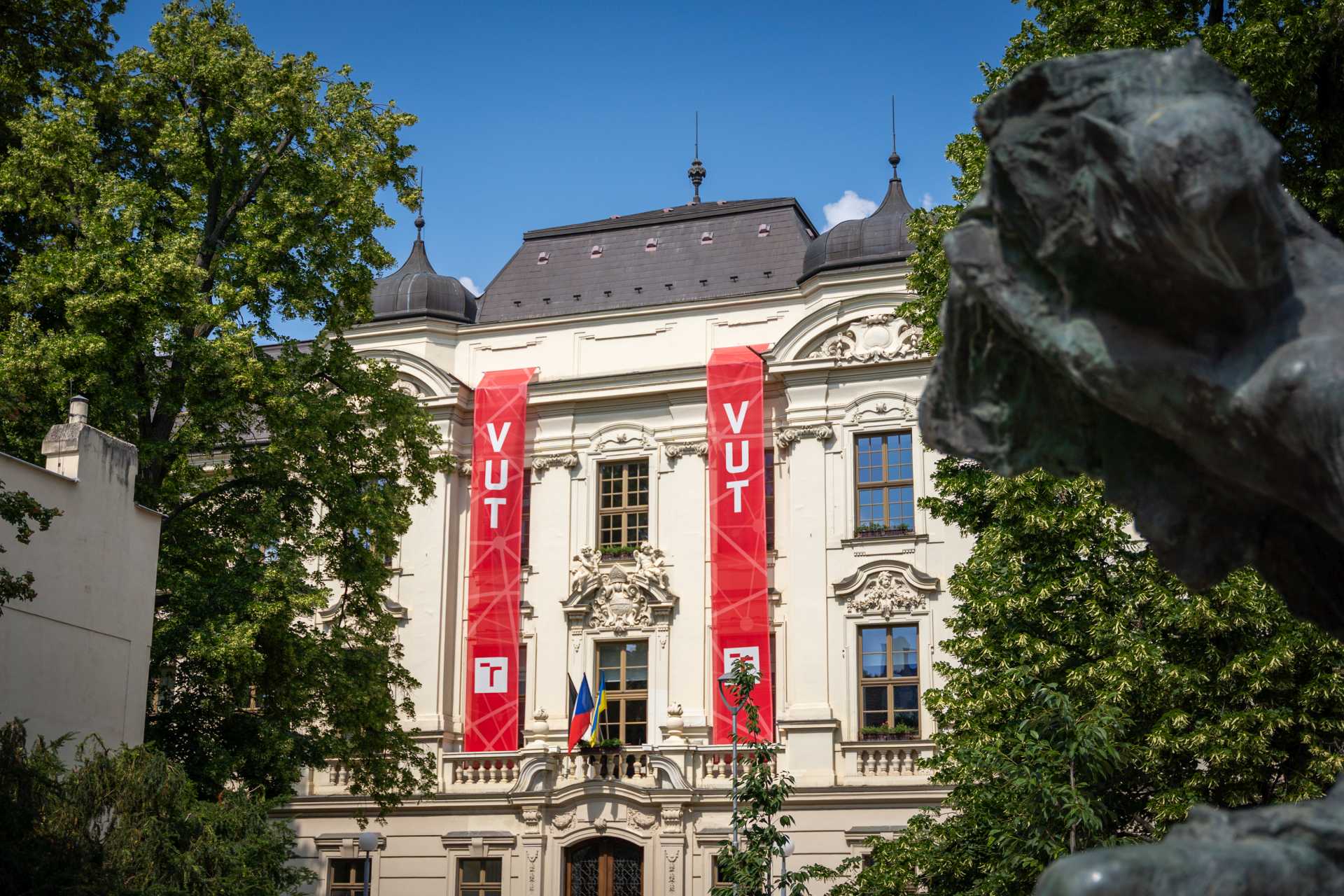
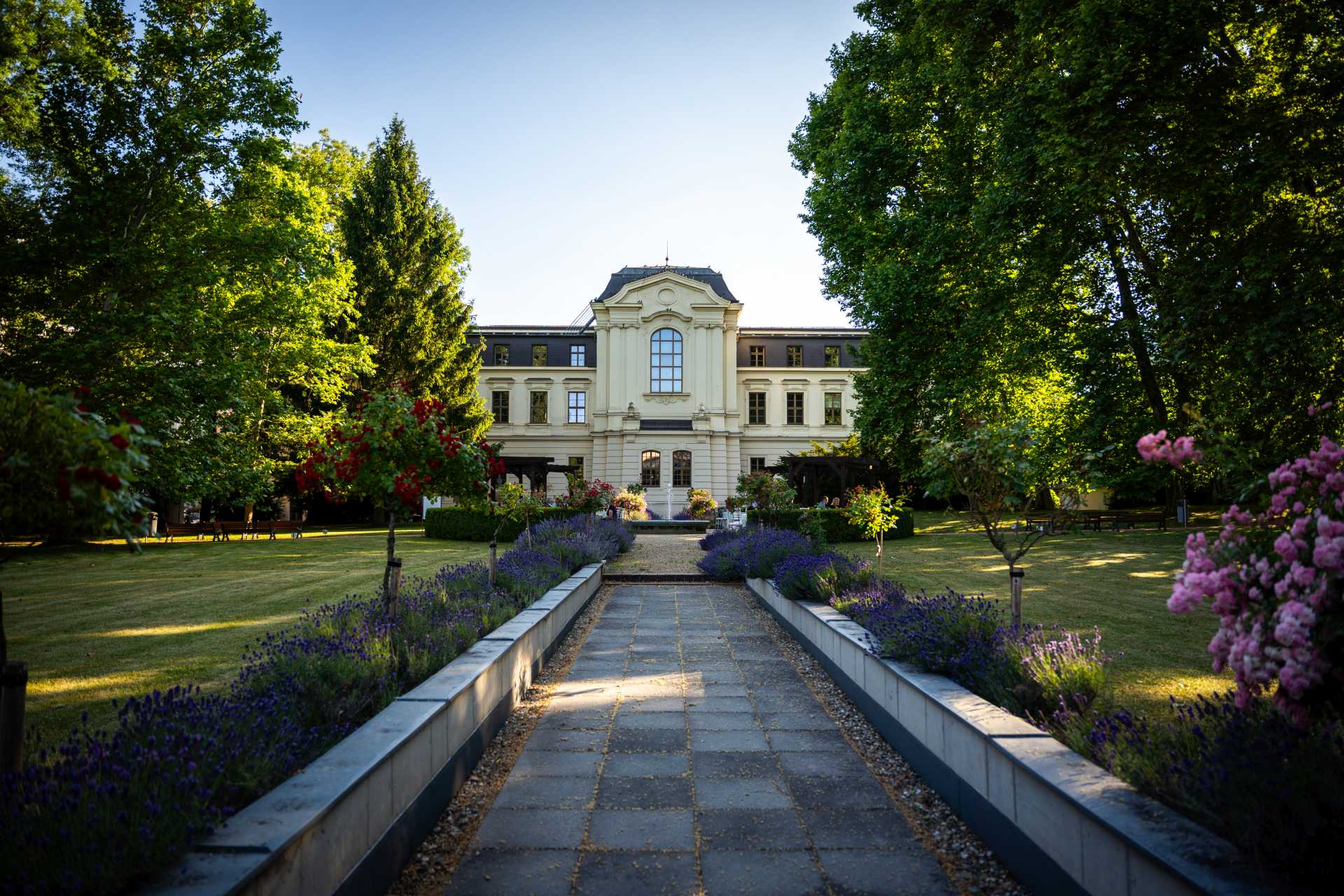
The Rectorate of Brno University of Technology is located in a monumental Neo-Baroque building of the former priestly seminary on Antonínská Street. This palatial structure today serves as the administrative and ceremonial centre of the university.
The building, historically known as the priestly or episcopal alumnate, was constructed between 1901 and 1903 on commission from Bishop František Saleský Bauer. The original plans were drawn up by the Viennese architect Emil von Förster, but for implementation they were adapted by Rudolf Bauer into a design inspired by late Theresian Baroque. The construction itself was carried out by the Brno-based builder Antonín Tebich. The original purpose of the building was the accommodation and education of future clergy, with a capacity of around 100 students. During both World Wars, the complex served as a military hospital and barracks. Between 1919 and 1932, part of the building was used by the Faculty of Law of Masaryk University. In 1950, the seminary was abolished by the communist regime and the building was subsequently taken over by Brno University of Technology.
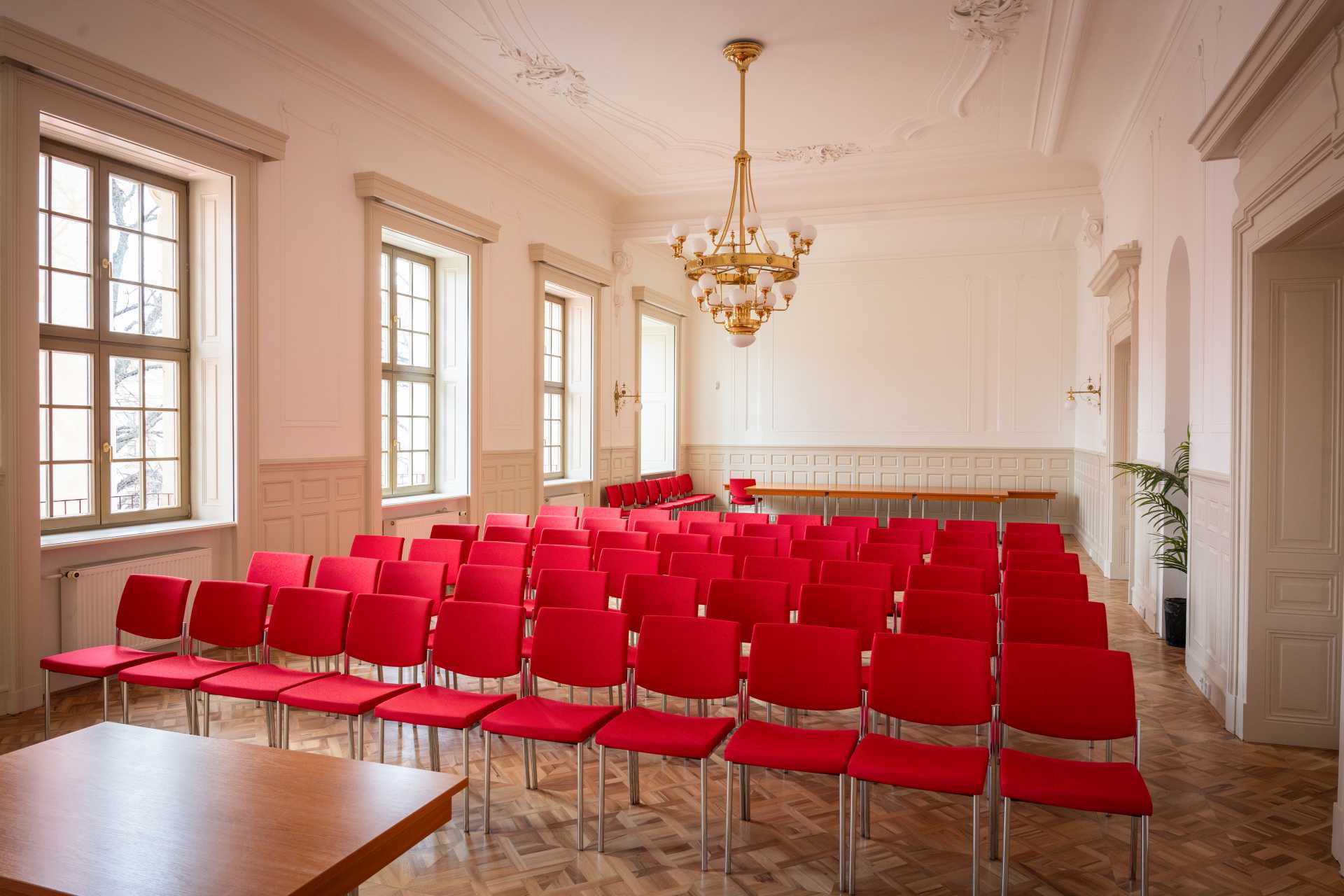
The complex is a four-wing, two-storey structure with mansard roofs enclosing an inner courtyard. Its exterior is distinguished by a richly articulated façade with two risalits, a pilaster order, and a central portal with a balcony above which the coat of arms of Bishop Bauer is placed. The interior features the former chapel (today serving as an auditorium), notable for its stucco decoration and musicians’ gallery. The building is highly valued for its artisanal details, particularly its fine metalwork and wrought iron elements.
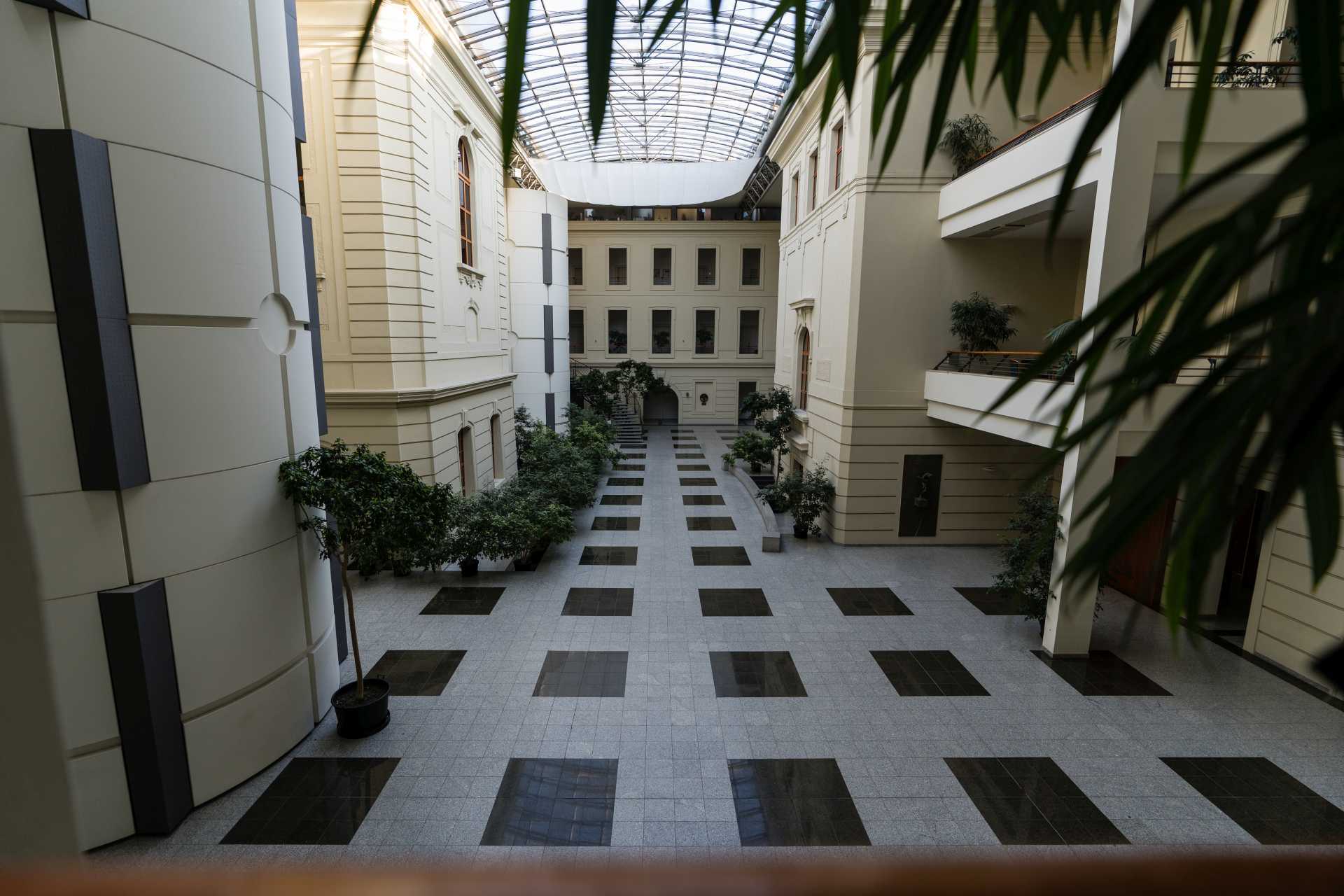
Between 1998 and 1999, the historic alumnate underwent an architectural conversion into the Rectorate of BUT, designed by Václav and Helena Zemánek. At that time, the inner courtyard was given a new glass roof and adapted for new functions. The most recent intervention is the new reception area from 2017 by architect Zdeněk Fránek, featuring interactive glass walls with integrated touchscreens. The complex also includes a revitalised garden with a central circular fountain and newly planted plane trees, created after a severe windstorm, which now serves both as a place for relaxation and for cultural events.